
Triumphant Third Grade unites math, culture and community for Hanukkah
by Tamar LaSure-Owens, NJEA Consortium Design Team Ambassador
In the Triumphant Third Grade, learning isn’t just about meeting a mandate; it’s about making history breathe. In December at Leeds Avenue School, all third grade classrooms transformed into a vibrant hub of cultural inquiry, culminating in a day of community and celebration that bridged the gap between ancient traditions and modern-day action.
Rooted in the NJEA Consortium Macro-Curriculum Framework and inspired by Dr. Gholdy Muhammad’s Five Pursuits—Identity, Skill Development, Intellect, Criticality, and Joy—our Hanukkah unit proved that when educators center humanity, academic excellence follows.
A unified vision: one grade, one heart
At Leeds Avenue School, we believe that impact is amplified through unity. I recognized that for this experience to be truly “Triumphant,” it couldn’t exist in a vacuum. I worked to ensure this was a collective team effort, moving beyond a single classroom to engage all four third-grade classrooms in a synchronized journey of discovery.
By collaborating closely with my colleagues, I designed a rotation-based model that allowed every single third-grader at Leeds Avenue School to benefit from specialized expertise and shared resources. This “all-in” approach ensures that every student, regardless of their assigned classroom, receives a consistent, high-quality and joyful inclusive education.
The visiting historian: Rabbi Rapoport’s living lesson
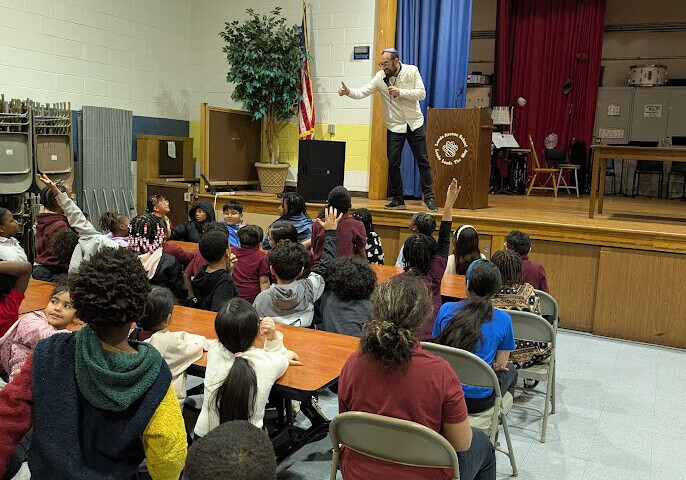
The highlight of our month occurred on Dec. 12, when Rabbi Avrohom Rapoport joined third grade students in the cafetorium. This annual tradition is more than a guest speaking engagement; it is a “Living Lesson” where third grade students test their intellect against a primary source.
The Rabbi’s presentation didn’t just tell a story; it activated students’ prior knowledge. Having spent the month exploring the themes of Self & Identity and Institutions & Power (Pillars 1 and 2 of the Consortium), students were able to engage in a sophisticated dialogue about religious freedom and the resilience of the human spirit.
The Five Pursuits in action: rotations of discovery
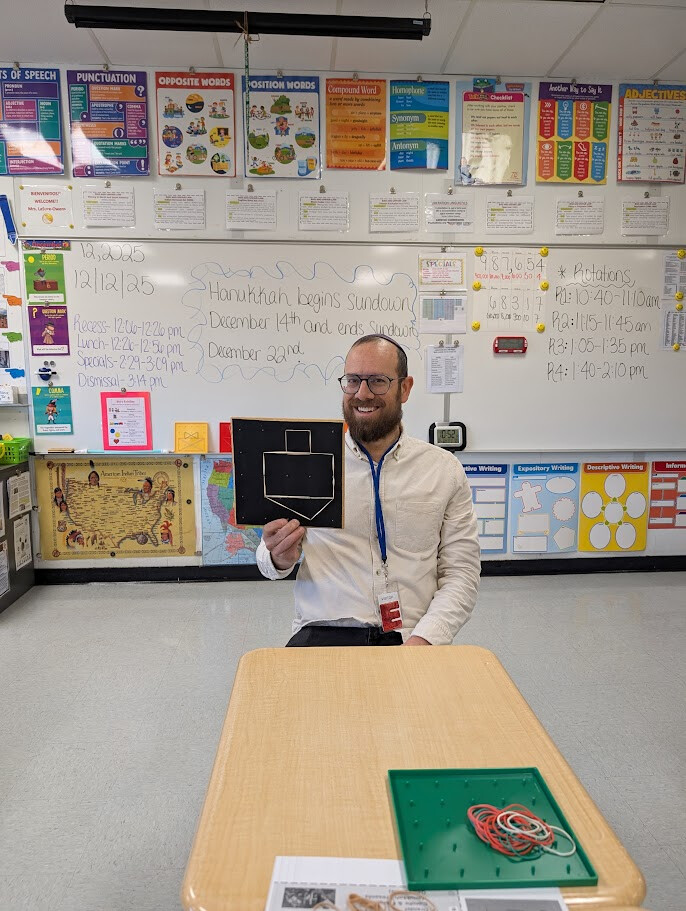
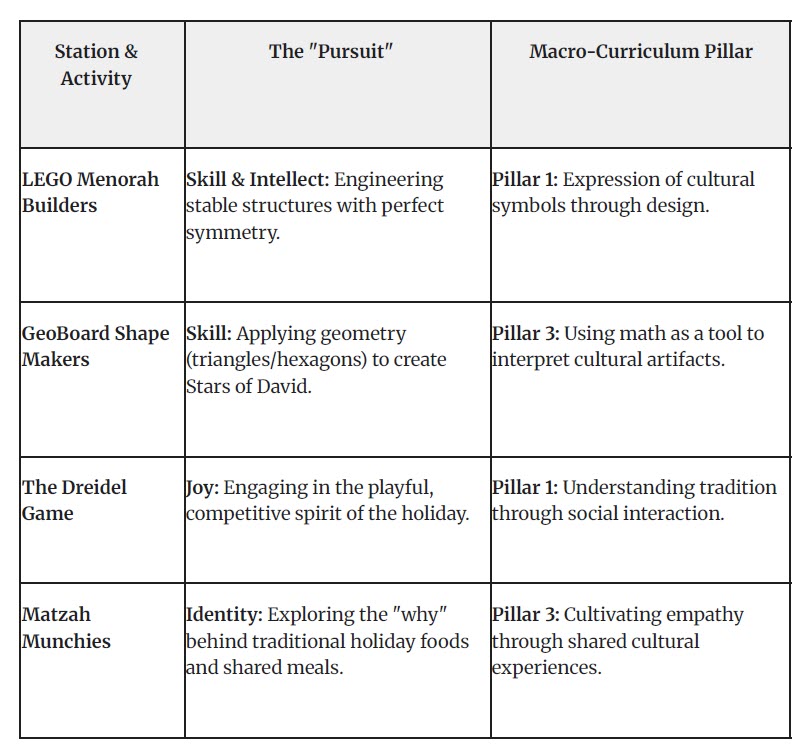
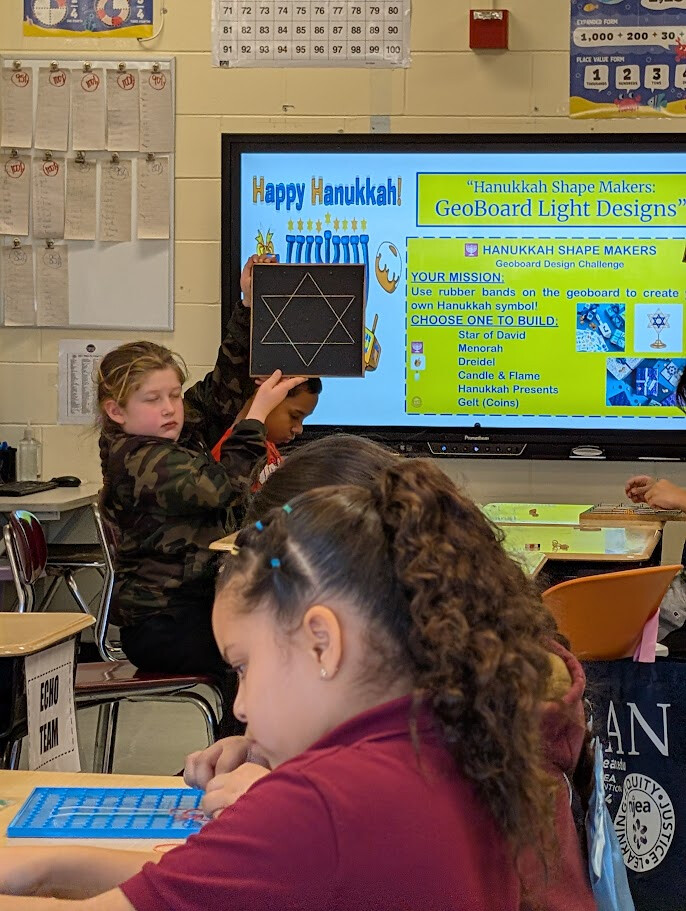
Following the assembly, the learning shifted from the cafetorium back to the classrooms. As Rabbi Rapoport visited each third grade room to witness our work, students rotated through stations designed to hit every note of Dr. Muhammad’s framework:
From inquiry to impact: the end-of-cycle assessment
To ensure this unit moved beyond “festivals and food,” the End-of-Cycle Exam was intentionally designed as a performance assessment. The third grade team didn’t just ask “What is a menorah?” Instead, we asked students to analyze the concept of Criticality: How does light defeat darkness in our own community?
The assessment focused on three core values:
- Kindness: How do we honor traditions different from our own?
- Empathy: Can we explain the importance of religious freedom for all people?
- Action: How can we be “Upstanders” like the figures in the Hanukkah story?
The Triumphant conclusion
By the time the final candle was discussed, third grade students hadn’t just learned about a holiday—they had expanded their Identity. They saw themselves as historians, engineers, and most importantly, empathetic citizens.
When we utilize the NJEA Consortium framework as a unified third-grade team, we ensure that our students aren’t just memorizing dates; they are building a Legacy of understanding. As the Rabbi concluded his visit, the message from Leeds Avenue School was clear: when we learn about one another with joy and collective teacher efficacy, we create a light that truly lasts.