
Modern Lessons from the 1913 Paterson Silk Strike
By Tamar LaSure-Owens, NJEA Consortium Design Team Ambassador
In the heart of my “Triumphant Third Grade” classroom, a ten-day transformation redefined the intersection of Literacy and Social Justice. By anchoring our curriculum to the NJEA Consortium Framework, my students and I moved beyond traditional rote learning toward an inquiry-based exploration of labor history that centers the lived experiences of workers and the power of collective action.
The Framework’s priority on inclusive, student-centered inquiry—connecting local history to global themes—was visualized through a “Gallery Walk” of primary source artifacts. Students were empowered as “Historian Detectives” to analyze 1913 Paterson census records and strike manifestos. By leaning into the Consortium’s approach to Inquiry-Based Learning, students didn’t just receive information; they interrogated the past, asking: “Why were children my age working in these conditions, and who fought to change it?” This transition marks a new era of cross-curricular synergy in my classroom, where historical investigation serves as the engine for complex ELA analysis, proving that these subjects are most powerful when taught as one.
The Five Pursuits in Action: A Pedagogy of Empowerment
Using Dr. Gholdy Muhammad’s Historically Responsive Literacy framework, this unit was designed to cultivate the whole child through five specific lenses:
1. Identity & Intellect: The Reality of “Silk City”
We grounded students in their local history through the lens of Identity. Using historical photographs of child laborers in Paterson—some no older than my own students—the class navigated a profound shift. They saw themselves in the “soot-stained faces” of the past.
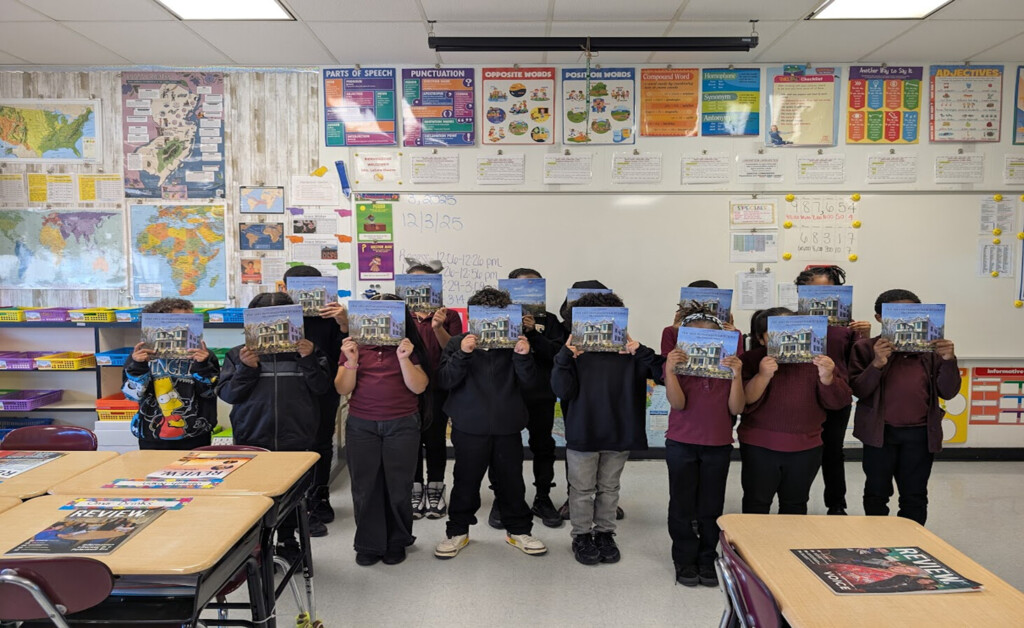
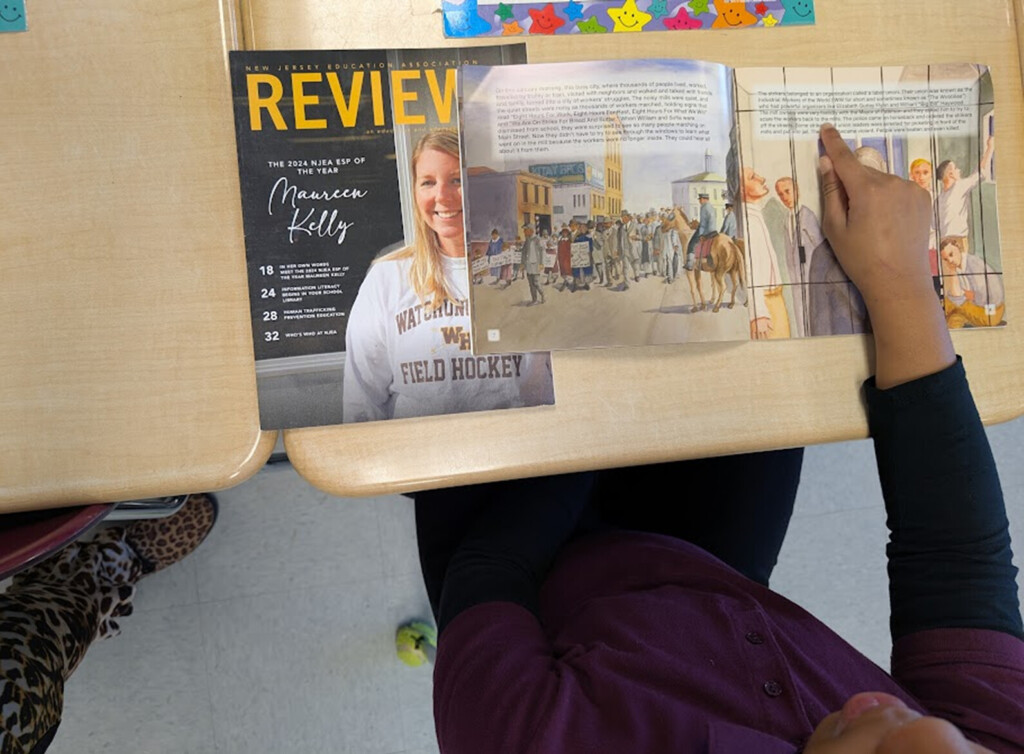
Our Intellect was pushed as we analyzed the grueling 10-hour workday. Thanks to a partnership with the American Labor Museum and the NJ Historical Commission, every student received their own copy of a specialized text on the 1913 Paterson Silk Strike. Having a tangible resource to hold and annotate transformed history from a distant concept into a personal narrative.
2. Skill Development: Decoding the Language of Justice
To meet NJSLS L.3.4 and RI.3.2, students engaged in high-level linguistic work. We didn’t just define words; we lived them. We decoded complex terms like solidarity, union, and advocacy.
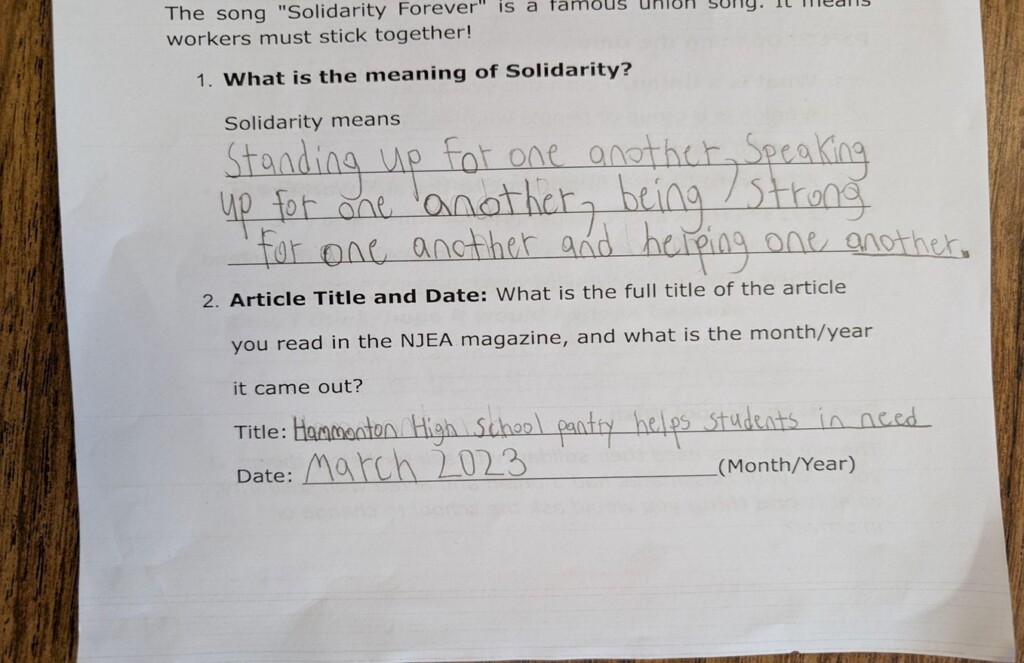
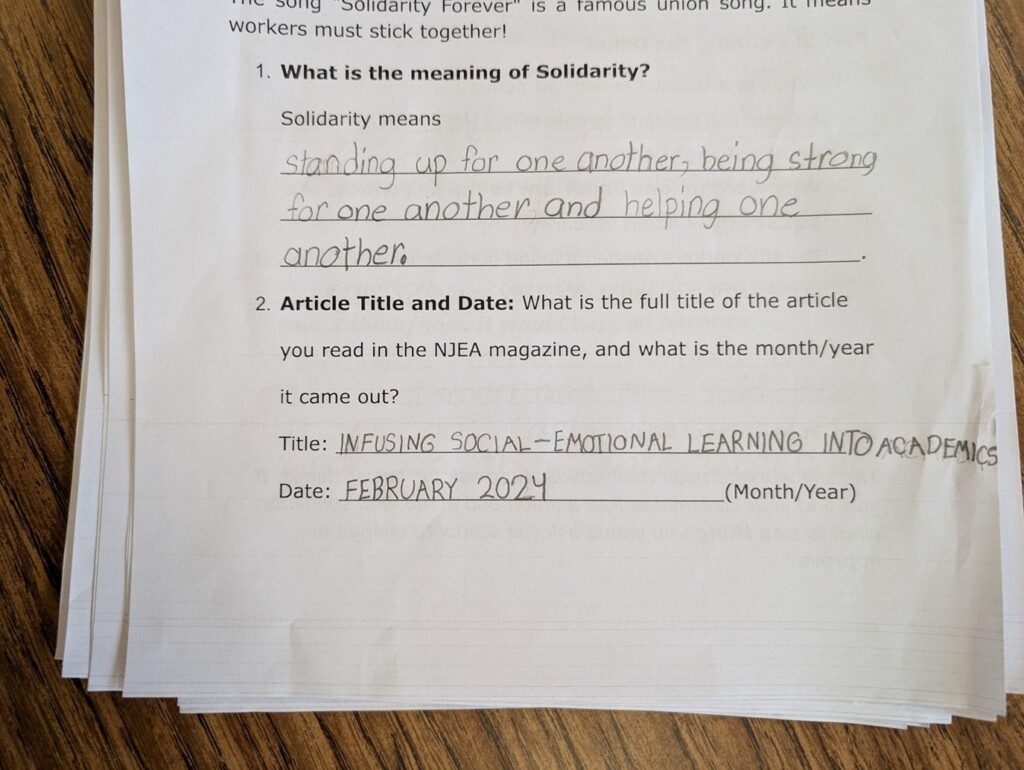
- The Math of Labor: Students mapped out the “8-8-8” slogan (8 hours for work, 8 hours for rest, 8 hours for what we will). This sparked a realization that “what we will” represented the very education, rest, and joy they enjoy today. Inspired, the students marched through the classroom, feeling the rhythm of a peaceful protest.
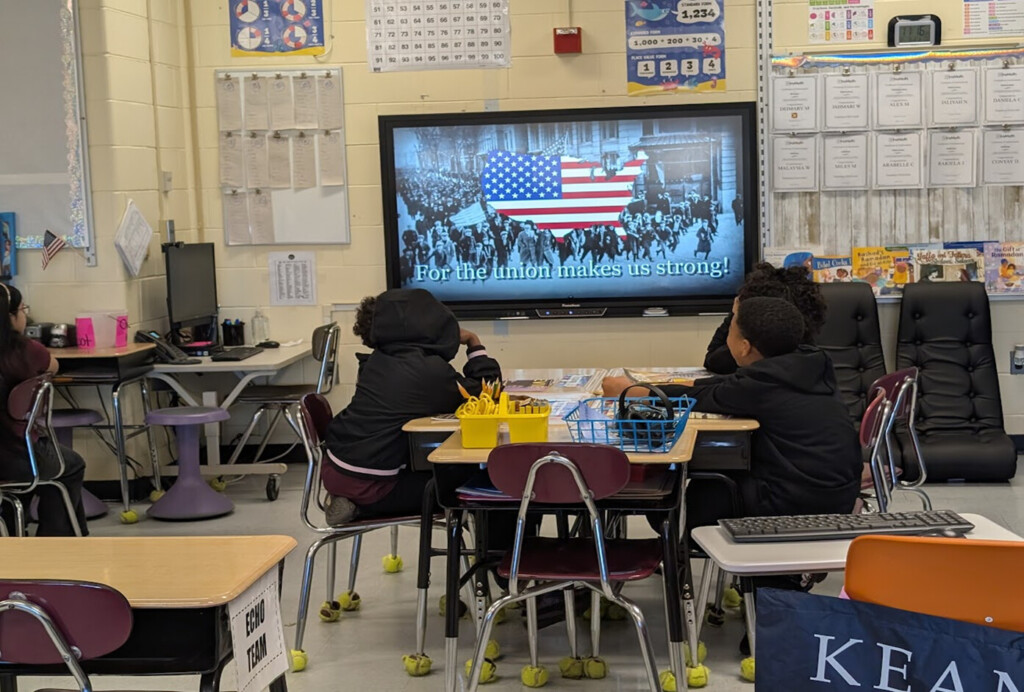
3. Criticality: From Tragedy to Transformation
Criticality allows students to understand power, equity, and anti-oppression. To grasp the courage of the 1913 strikers, we analyzed the 1911 Triangle Shirtwaist Factory Fire. Students recognized that modern safety protections—fire drills and unlocked exits—were not gifts, but hard-won rights. This historical context allowed students to see the world through a lens of social reform and current workplace safety.
4. The Bridge to the Present: NJEA as a Living Model
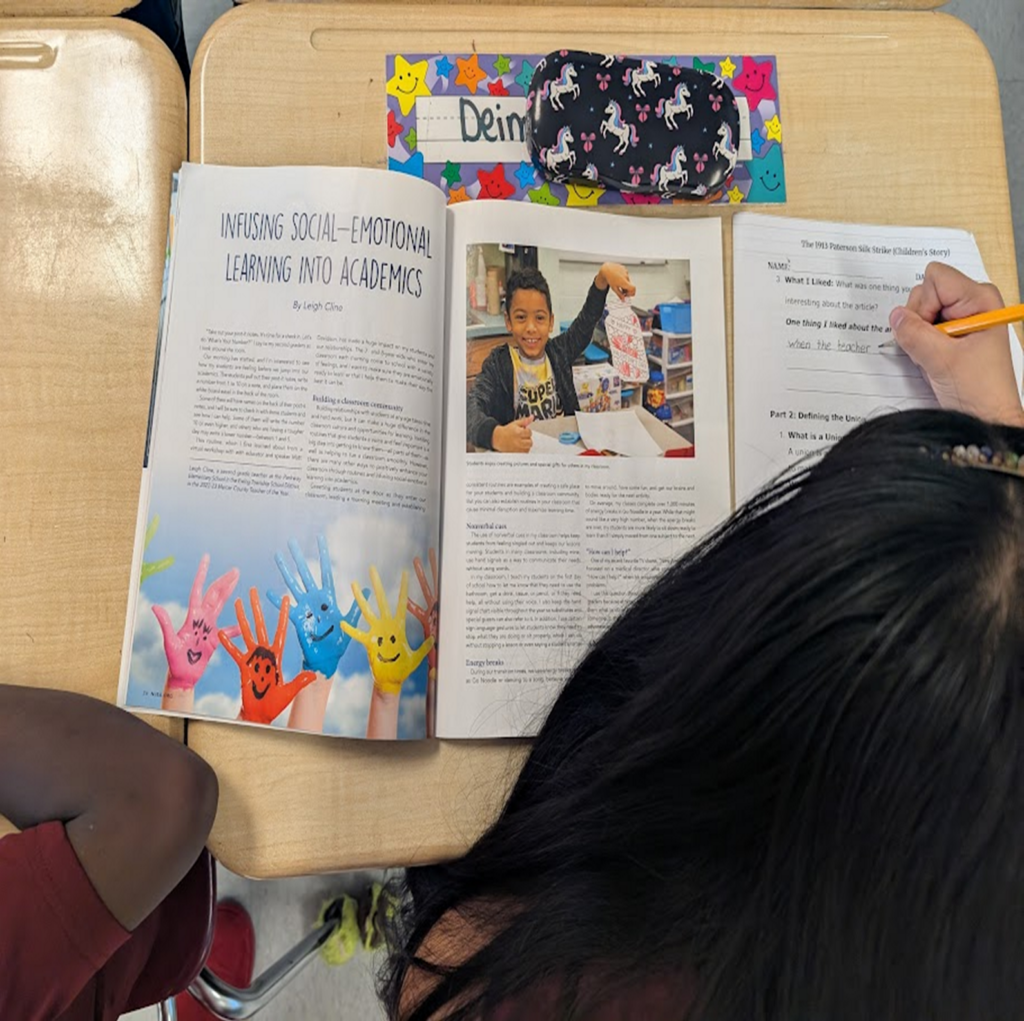
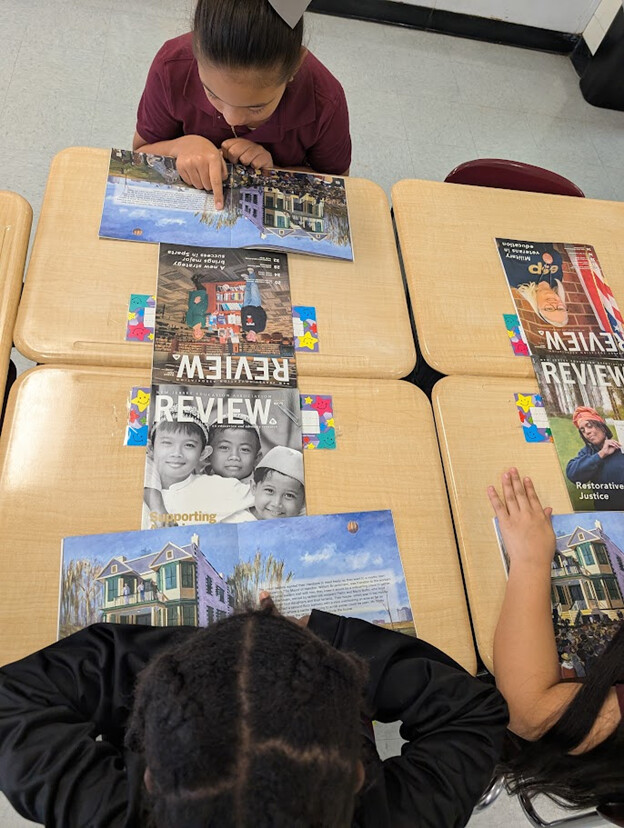
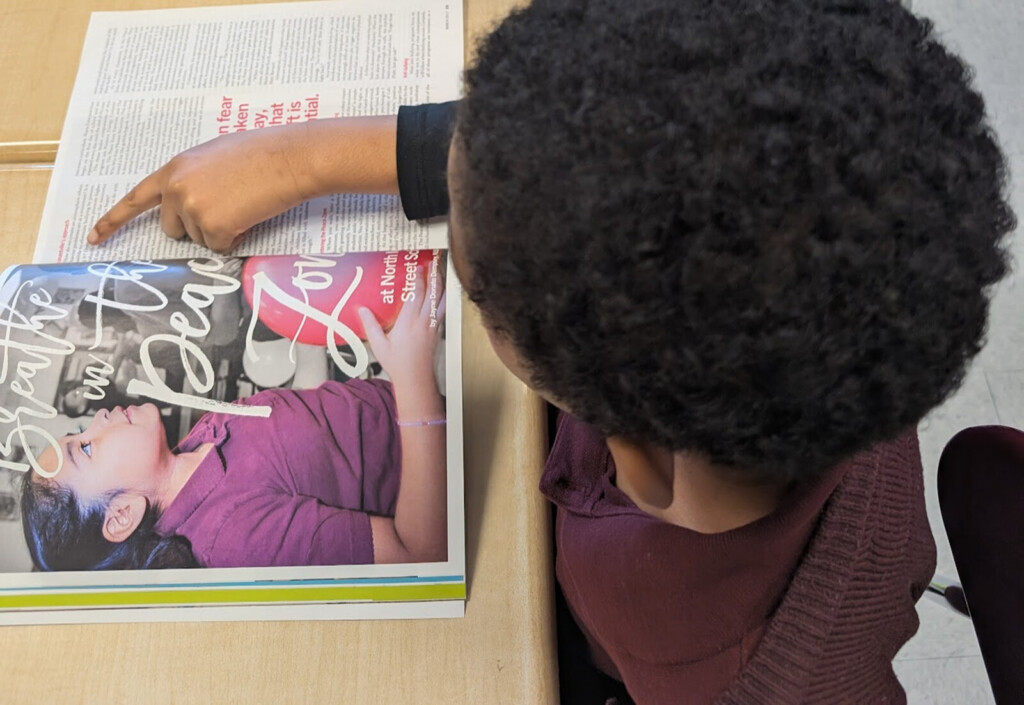
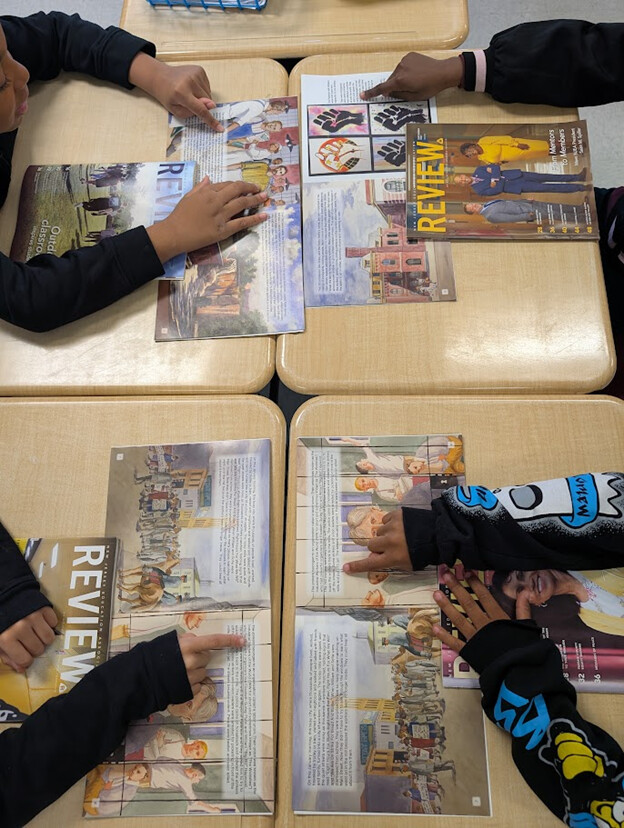
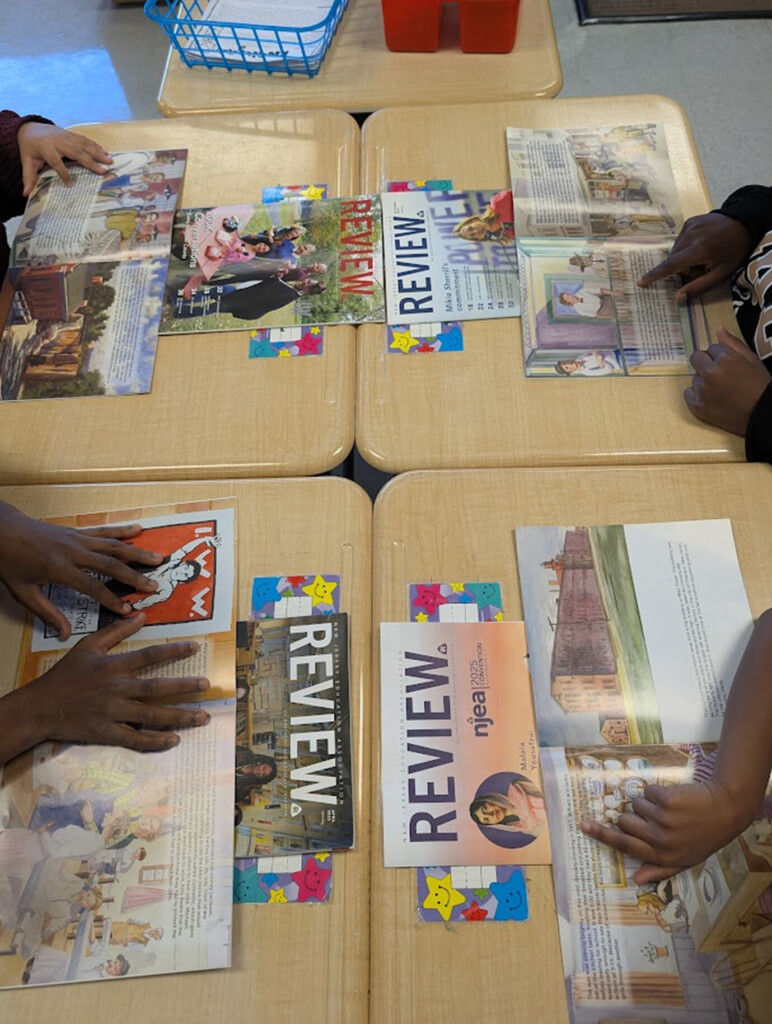
The most empowering moment occurred when we connected history to the present using the NJEA Review. As students pored over various editions, the room erupted into a symphony of collaborative learning. They identified how the NJEA continues the legacy of the 1913 strikers by advocating for student resources and educator rights today. This task allowed them to see the continuity of union impact, proving that the struggle for fairness is a living movement.
5. Finding the Joy: Solidarity Forever
Dr. Muhammad reminds us that Joy is an essential pursuit for sustaining student engagement. We found joy in the beauty of collective success. Our final activity, “My Union Wish,” invited students to practice Opinion Writing (NJSLS W.3.1). They used linking words to advocate for school improvements, realizing that their collective voices carry weight. One student aptly noted: “If my whole class acted with solidarity and asked for this, I think it would happen because we are stronger together.”
Conclusion: A Legacy of Justice
By the end of these ten days, my students discovered they are not just observers of history—they are part of a legacy of justice. Through the lens of the NJEA Consortium’s mission and the 5 Pursuits, the “Triumphant Third” now understands that when we stand in solidarity, we possess the power to reshape our world.