
By: Stacy Schiller, Consortium Design Team Ambassador
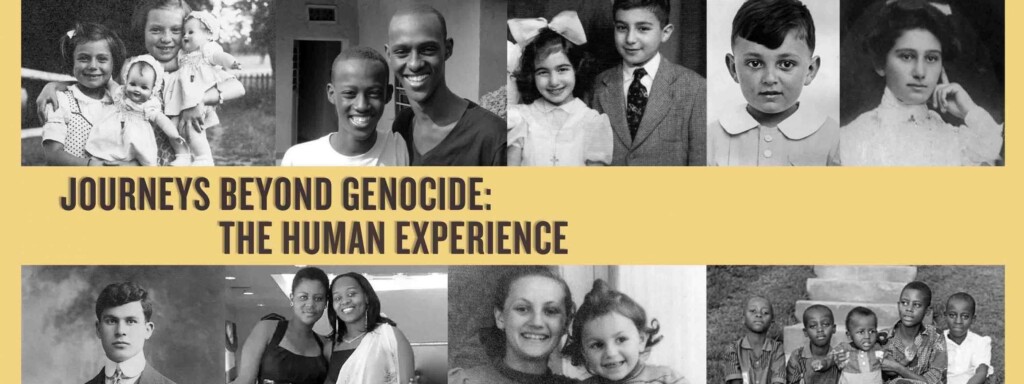
The NJEA Consortium has partnered with two local educational organizations in eastern Monmouth County. Chhange, the Center of Holocaust Human Rights and Genocide Education was highlighted in the November 2025 issue of the NJEA Review. Founded by local Holocaust survivors almost five decades ago and housed on the main campus of Brookdale Community College in Lincroft, Chhange offers its award-winning three genocide exhibit, Journeys Beyond Genocide: The Human Experience to students and community members alike. With four sections titled Life Before, Life at Risk, Genocide and Rebuilding Life, this exhibit houses artifacts and stories from local New Jersey communities of Holocaust, Armenian and Rwandan genocide survivors. The Consortium has created a Field Trip Itinerary for Chhange’s student visitors, which Chhange will be sharing with educators who schedule a visit. The itinerary is organized to help teachers prepare students before, during and after their visit. Pre-Trip activities include opportunities to prepare students with what they will encounter, how they might process the emotional weight, and frameworks which will help them respond. Educators may choose from one of three trip activities to complete while touring the exhibit based on the level of experience students bring exploring concepts of genocide. A Performance Task framework allows students to reflect on their own values post-trip and design an action plan to address an issue of personal concern. The field trip itinerary is aligned with both NJ State Standards and the NJEA Consortium Macro Curriculum. The goal of the exhibit and accompanying itinerary is for students to engage with the human experiences of genocide and consider their own role in standing up against injustice today.
The second local organization is the T. Thomas Fortune Cultural Center, located on Drs. James Parker Boulevard in Red Bank. Also a site for field trips, the Fortune Center’s core exhibits are The Black Press: Stewards of Democracy, the Ida B Wells Gallery, with its focus on female journalists, and the Parker Family Legacy Room, telling the story of the local Parker family and their medical contributions to the community. The Center is named for a leader of the Black Press, T. Thomas Fortune, who lived in the house in the early 1900s. Fortune was a newspaper editor and close associate of Booker T. Washington and Ida B Wells. The location is both a stop on the NJ Black Heritage Trail and a National Historic Landmark. The Consortium has created a Performance Task that educators can use with the content and visits to the T. Thomas Fortune Cultural Center. Titled Then and Now: Why Representation in the Press Matters, this Performance Task utilizes Fortune Center staff created lessons which have been aligned with the Consortium Macro-Curriculum. After exploring the legacy of the Black Press, the task asks students to imagine an exhibit which highlights contemporary voices and the need for community-centered journalism today. Not only can this activity be used to explore historical and contemporary issues, but its focus on media literacy skills and the role of the media make it relevant and timely.
In addition to visits to the Center and the Performance Task for students, educators can engage with T. Thomas Fortune Cultural Center offerings and content at this fall’s NJEA Convention. In a workshop entitled Truth, Activism and the Historic Black Press, educators will explore how individuals and organizations—like T. Thomas Fortune, Ida B. Wells and the Equal Justice Initiative—use truth-telling to push society toward its democratic ideals. Come see us in the Consortium space on Thursday from 2:45 – 3:30 p.m.
Learn more about this partnership via the following web links: