
By Alamelu Sundaram, ESL Educator and Consortium Design Team Ambassador

In the week leading up to Memorial Day (May 19–23), I guided our 5th and 6th-grade multilingual learners—beginners, intermediate/advanced students—through a powerful interdisciplinary unit that combined poetry, primary source analysis, and digital storytelling. This lesson sequence not only strengthened academic language but also deepened students’ emotional connection to historical and personal migration experiences.
Unit Focus: Exploring Migration Through Poetry and Documents
As part of our ongoing curricular unit on Our Environment, this interdisciplinary unit is aligned with WIDA language development standards and CCSS.ELA standards for reading, writing, and language (RI.5.1–6.4, W.5.2–6.2, L.5.1–6.5) and social studies standards related to U.S. history and geography. Additionally, this week’s instruction centered on the essential question:
“How do poetry and primary sources help us understand the emotional and lived experiences of migration?”
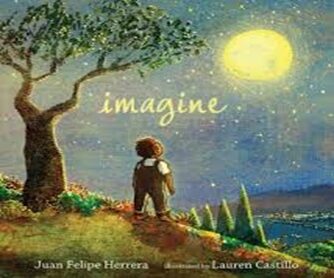
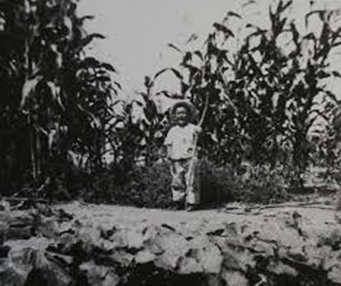
Using stations and differentiated instruction, students engaged with historical documents (such as photos, immigration forms, and diary excerpts), analyzed Juan Felipe Herrera’s poem “I Forget the Date,” and created digital “Migrant Memoirs” using Google Slides.
Key Learning Activities Included:
- Poetry Analysis Station: Students closely read Herrera’s poem, annotating for metaphor, imagery, and emotional tone. They compared the poetic voice with more literal documentary voices to understand the contrast between emotional truth and factual data.
- Document Analysis Station: Students explored scanned primary sources and completed a comparison organizer to evaluate each type of text’s tone, perspective, and purpose.
- Writing & Synthesis Station: Using sentence frames, bilingual glossaries, and peer collaboration, students composed an original poetic line, selected a historical artifact, and wrote a reflective caption—culminating in a 3-slide “Migrant Memoir” project.
- Oral Language & Reflection: Students practiced presenting their memoirs, shared their insights through daily exit tickets, and journaled about the difference between writing poetry and nonfiction.
Why It Matters
This project taught more than just academic standards—it cultivated empathy, critical thinking, and voice. Students discovered that while documents give us timelines and names, poetry allows us to feel the weight of a journey. One student reflected, “Herrera’s poem made me feel the isolation of crossing a border, while the immigration form reminded me that every line represents a real person’s life.”
Looking Ahead
This unit will serve as a foundation for future projects where students will interview family members and transform their migration stories into multimedia narratives. The goal is to continue honoring students’ experiences while building strong literacy skills in poetic and informational genres. Other educators are encouraged to adapt this model to celebrate student identity and voice while promoting cross-curricular literacy through culturally responsive storytelling. Let this be a call to action to create more spaces where multilingual learners are seen, heard, and empowered to share their truths through the written and spoken word.