NJEA Consortium for Connecting Communities and Curriculum
By Dr. Kim Pinckney
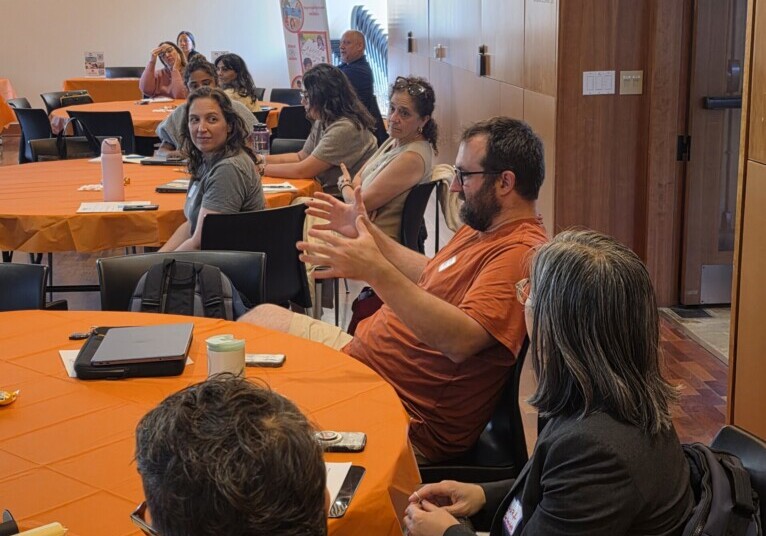
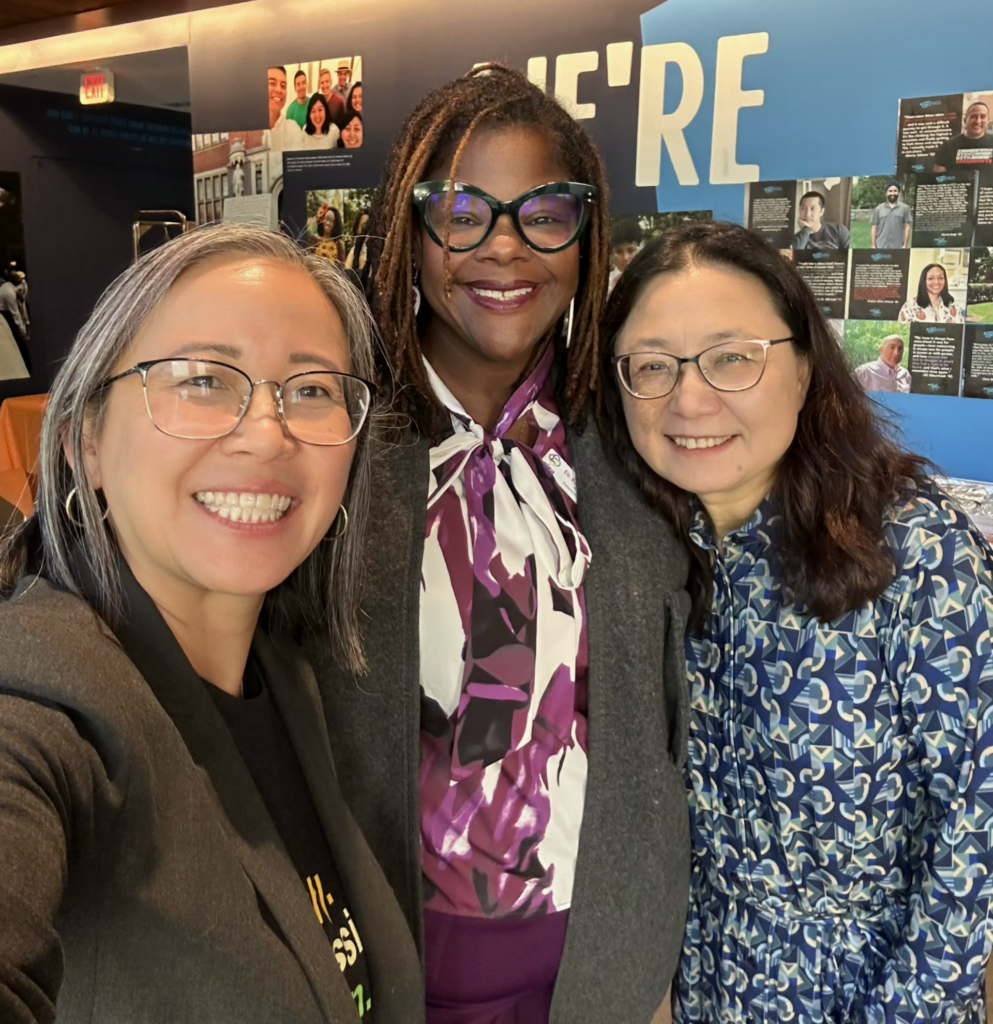
Gathering with colleagues, fellows, and advocates from The E Pluribus Unum Project (TEPUP) at Princeton University for the 2026 Pluralistic Professional Development Conference served as a powerful reminder of our collective mission. In an era of increasing educational scrutiny and shifting cultural landscapes, reuniting with an educator community wholly committed to pluralism and equity renewed our shared focus: we must do far more than preserve inclusive spaces—we must expand them.
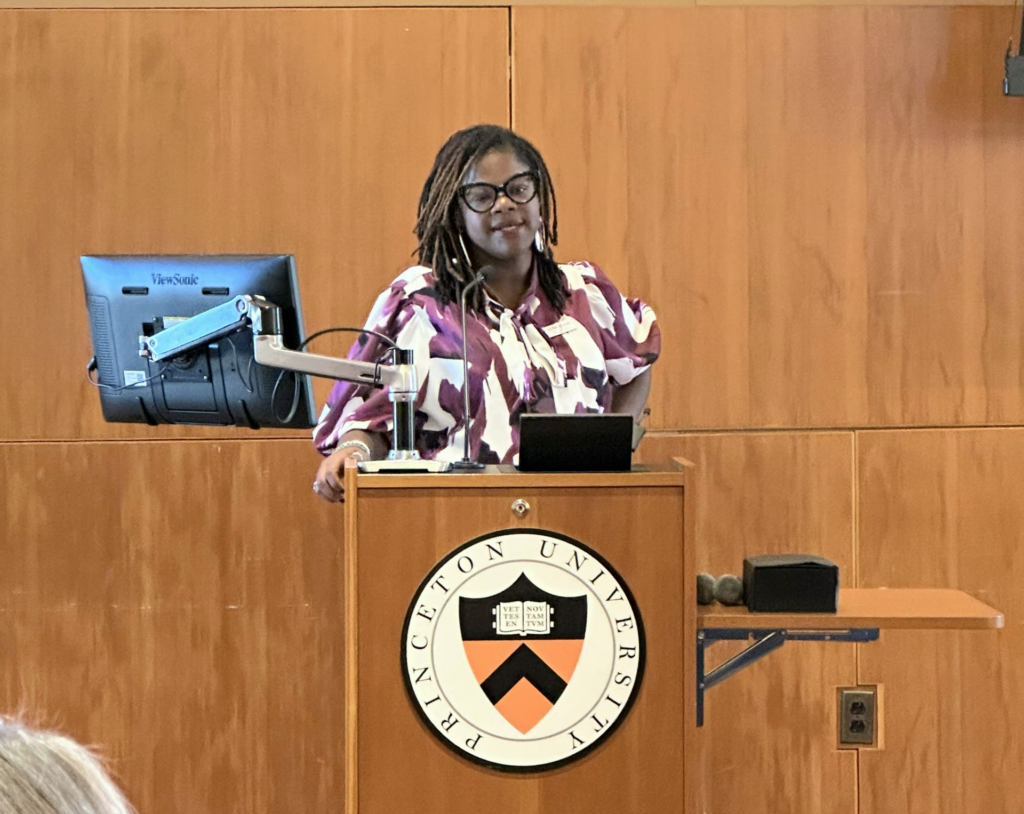
My keynote address, “Más Allá: The Joy, Justice, and Necessity of Inclusive Education,” centered on a fundamental truth facing New Jersey educators today. Moving más allá—going beyond—requires that we transcend compliance-driven checklist pedagogy and embrace a vision of learning defined by rigorous inquiry, systemic justice, and deep institutional joy.
Moving Beyond the “Checklist” Approach
Inclusive curriculum design is frequently reduced to surface-level representation. When schools limit inclusive learning strictly to “heroes, holidays, and heritage months,” they offer students a segmented view of humanity and history.
To go más allá means cultivating:
- Deep Conceptual Understanding: Linking historical realities to contemporary institutional dynamics.
- Structural Inquiry: Challenging educators and learners alike to ask why and how systems formed, not merely who was present.
- Interdisciplinary Connection: Integrating the voices, discoveries, and contributions of marginalized groups across mathematics, science, arts, language, and social studies rather than siloing them into elective spaces.
As Brazilian educator and philosopher Paulo Freire articulated in Pedagogy of the Oppressed, education can either act as a mechanism for social conformity or function as the practice of freedom—the essential means through which people engage critically and creatively with reality to participate in transforming their world. Choosing freedom requires that we go deeper into the text, the context, and the classroom.
Defending the Mandates: A Moral Imperative
New Jersey possesses some of the nation’s most robust legislative frameworks for culturally responsive curriculum. State statutory mandates establish our responsibility to teach comprehensive histories, including:
- Amistad Law (N.J.S.A. 18A:52:16A-88): Mandating the infusion of African American history and contributions into K–12 courses across areas such as government, industry, science, arts, and mathematics.
- Holocaust & Genocide Law (N.J.S.A. 18A:35-28): Requiring instruction on genocides to instill personal responsibility against prejudice and hatred.
- LGBT & Disabilities Law (N.J.S.A. 18A:35-4.35): Integrating the social, political, and economic contributions of LGBTQ+ individuals and persons with disabilities into middle and high school curricula.
- Diversity & Inclusion Law (N.J.S.A. 18A:35-4.36a): Directing K–12 learning standards to examine cultural diversity and inclusion.
- Latino & Hispanic History Law (N.J.S.A. 18A:35-4.49): Delivering historically accurate, culturally relevant instruction on Hispanic and Latino contributions.
- AAPI History Law (N.J.S.A. 18A:35-4.44): Ensuring Asian American and Pacific Islander histories and contributions are interwoven into social studies curricula.
These state mandates are not administrative checkboxes or burdens to shoulder under duress; they are a moral imperative. They build an essential blueprint for empathy, civic responsibility, and critical engagement in a multiracial democracy.
The NJEA Consortium is steadfast in its pledge to equip school districts, classroom educators, and curriculum leaders with the resources, lesson plans, and professional learning necessary to implement these laws fully and unapologetically.
Anchoring Practice in Identity, Intellect, and Joy
Critical pedagogy must never be divorced from joy. Incorporating Dr. Gholdy Muhammad’s Historically Responsive Literacy framework, we recognize five core pursuits: Identity, Skills, Intellect, Criticality, and Joy.
When our students encounter inclusive curricula that truthfully reflect their identities and validate their heritage, joy naturally emerges as a byproduct of belonging and intellectual validation. That joy is foundational to continuous student and educator growth alike.
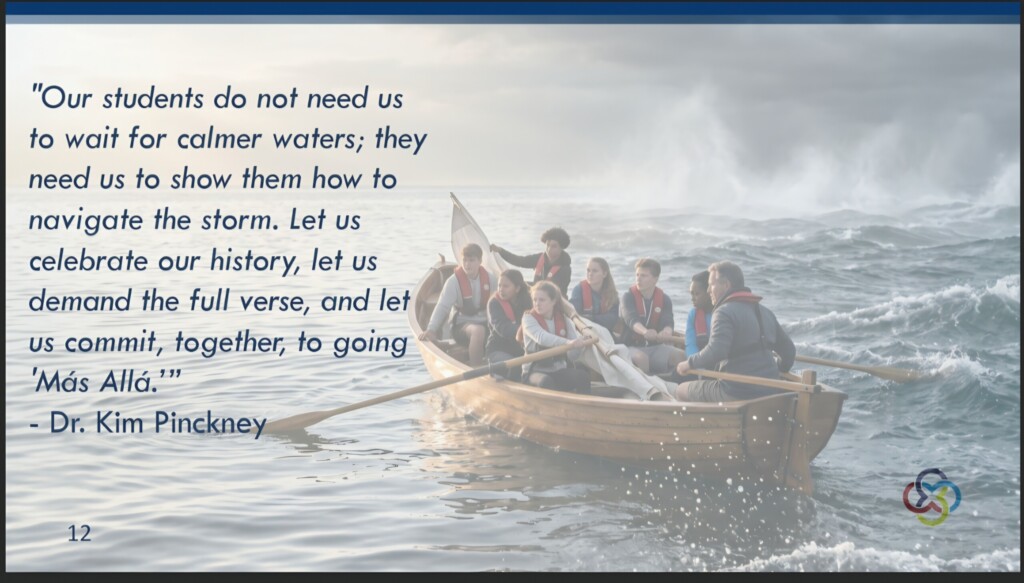
Navigating the Storm Together
Our students do not need us to wait for calmer waters; they need us to show them how to navigate the storm. We cannot retreat into silence or dilute our instructional materials in the face of pushback.
As educators, union leaders, and partners in public education, we must commit to demanding the full verse of American and global history, supporting one another, and venturing más allá.
Get Involved with the NJEA Consortium
- Optimize Your Curriculum: Access lesson plans, curated primary sources, and curricular frameworks aligned to all state mandates.
- Engage the Community: Partner with Consortium instructional coaches and regional educators.
- Contact Us: Reach our team directly at Consortium@njea.org to bring customized professional development to your school or district.