
By Tariq Raheem, NJEA Consortium Design Team Ambassador
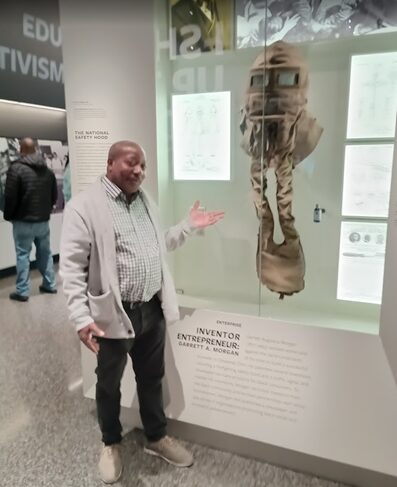
I couldn’t wait to show my students the brilliance and resilience of African American people like Garrett A. Morgan, the inventor of the precursor to the gasmasks that are used to save thousands of lives from the ravages of smoke generated from uncontrolled fire. My goal was to get scholars to see their potential, because seeing is believing. That every student could achieve greatness in spite of what obstacles legal or illegal are ahead of them. That each of my scholars can reach their dreams even if those dreams seem as far away as outer space. Thirty-six students and four adult staff traveled with me to witness our legacy on a beautiful spring day. However, if I could take all 1800 students attending my school to the museum over the span of the school year I would do it in a heartbeat.
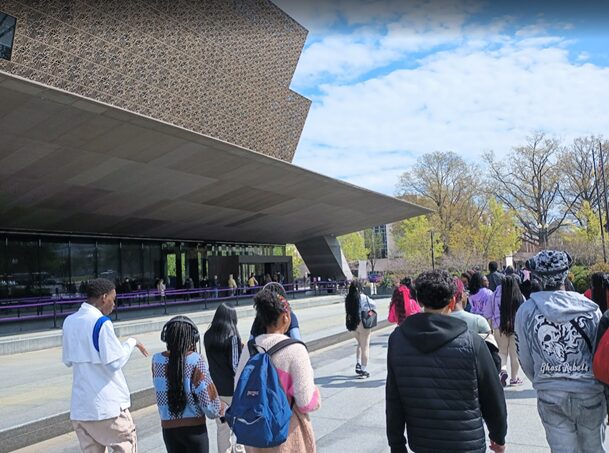
When my seniors and juniors stepped off the bus in wonderment, their eyes climbed the bronze lattice that wraps the Smithsonian’s National Museum of African American History and Culture, as did mine. I framed them against the Washington Monument and felt history leap from textbook to texture in a single shutter-click.
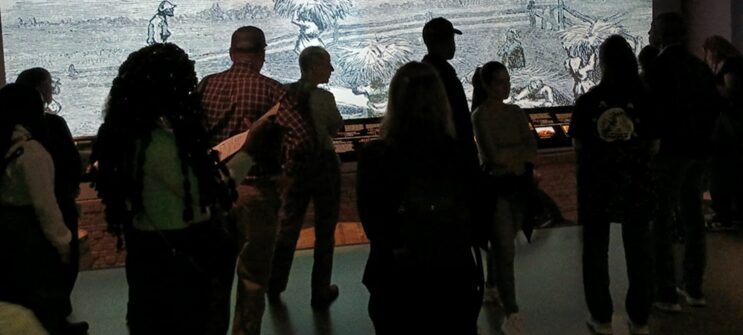
People young and old were mesmerized at the impactful role Africans Americans played in all aspects of American life. One can argue that we built America and received zero credit, because there were several hundred years in the United States where we were never compensated for the forced work we completed. People enjoy the privileges and freedoms of America because of the enduring strength of the African Americans who refuse to be second-class citizens. New Jersey has a particularly troubled past regarding slavery and Jim Crow which every student should learn about as presented in the Reparations report njreparationscouncil.org.
New Jersey’s Amistad Mandate calls on every district to weave African American contributions into the core of academic instruction, yet too often that tapestry is stitched only with readings and dull slides that would quickly put an uninterested person to sleep. Field trip experiences like this one is a step closer to satisfying the spirit of the 2002 law. The Amistad Commission supports the Mandate and activities that “survey, design and promote” programs that deepen awareness of the Black past and present. NJ.gov
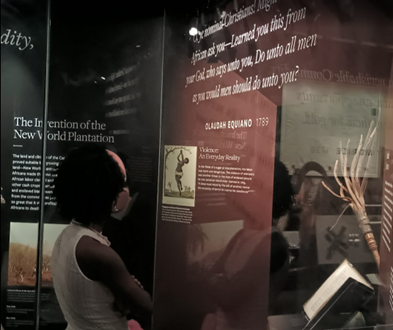
Inside the museum’s history galleries, students traced the arc from the TransAtlantic human trade to today’s social justice movements like Black Lives Matter, pausing at artifacts like Olaudah Equiano letters and interacting with photos from the Freedom Rides. The Slavery exhibit of a cramped slave ship cabin to the Freedom gallery’s exhibits of lunch counter stools scarred by protest, forced students—and me—to confront the cost of freedom in ways no PDF can match.
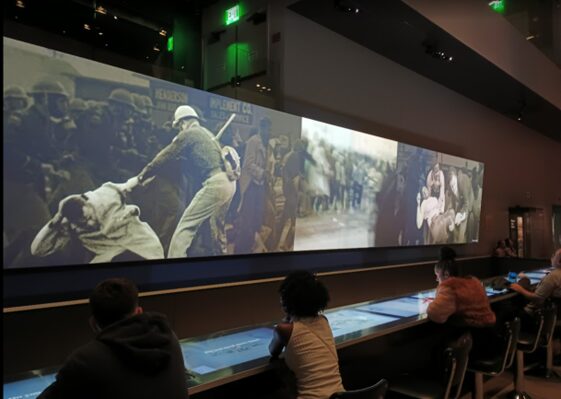
For staff, the trip doubled as professional development because New Jersey did expand Advanced Placement African American Studies this school year. The state Education Department offered grants to districts that open new sections or train additional teachers. Walking through the Black Power exhibit or hearing Gil Scott-Heron’s verses, “The Revolution Will Not Be Televised” in the Culture galleries gave us primary source texture students can carry back to their classrooms. Any educator in NJ looking for credible Amistad resources can sign up for free, on the official website, njamistad.com so there is no excuse about getting what we need to teach this critical history in New Jersey.
When it comes down to taking school trips, I tell colleagues who worry about buses or sub coverage that the returns outweigh the logistics, let’s work together to find a way to make it happen. On my trip, students left the museum quoting Ella Baker who once said, “We who believe in freedom cannot rest until it comes.” This was inspiring for them and me. My students also posted reflections to our class GroupMe cellphone app; while our teachers left with fresh lesson hooks and renewed conviction to take back to their classrooms.
If we want the Amistad Mandate—and the new AP African American course—to live in young minds rather than rest on syllabi, we have to meet history where it breathes. Immerse your students, take that trip! Your next trip starts with your idea. Get your board approval, get the permission slips; the lasting impact starts when we, too, get on the bus for the trip, and commit to reaching for the seemingly impossible moon and stars, like these African American astronauts in this photo exhibited at the museum. They can do it, and we can do it too.
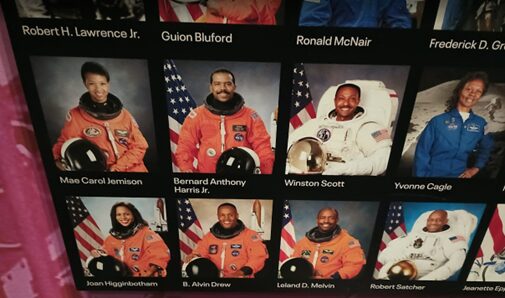
We must prepare our students to reach for the stars. It is their inheritance.
Mr. Tariq Raheem is an Irvington Public Schools High School Social Studies Teacher, NJEA Consortium Design Team Ambassador, author, and community activist. He can be reached at tariqtraheem@gmail.com