
by Tamar LaSure-Owens, NJEA Consortium Design Team Ambassador
Introduction
This Hispanic Heritage Month, Triumphant Third Grade students at Leeds Avenue School embarked on a transformative, three-week exploration of Afro-Latino history, the African Diaspora, and the Trans-Atlantic Human Trade. Over 15 immersive days, students connected Latin American histories to their own identities, reflecting on resilience, leadership, and cultural pride that shaped communities across North and South America.
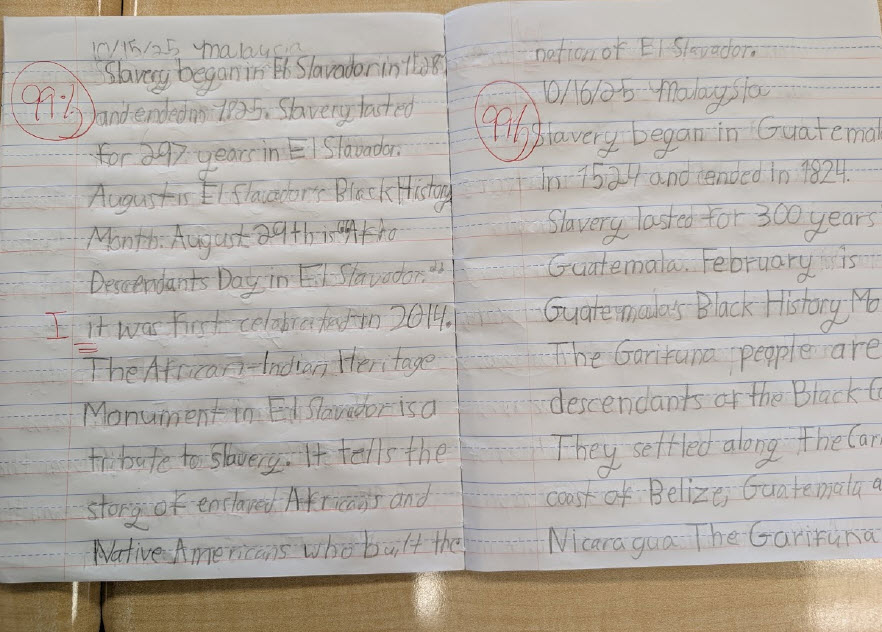
“Through this unit, students did more than learn history—they lived it, celebrated it, and became storytellers of their own identity.”
Using interactive maps, student journals, timelines, and hands-on book studies, learners engaged deeply with history in meaningful ways. These strategies can
inspire educators to design lessons that are rigorous, culturally responsive, and joyful.
Centering Schomburg: Knowledge as Resistance
The unit began with Arturo Schomburg, who as a fifth grader was told that Africans “have no history and no heroes.” Refusing to accept this, Schomburg devoted his life to collecting and preserving the stories of Black and Afro-Latino communities, ultimately founding the renowned Schomburg Center for Research in Black Culture in New York City.
Teachers can use Schomburg’s story to spark reflection and curiosity:
- Whose stories are missing from our classroom history?
- What would you collect to tell the story of your community?
Schomburg’s life shows that knowledge is power. Students became collectors of history, identifying heroes, artifacts, and cultural achievements that represent their heritage.
Three-Week Unit Overview
This three-week interdisciplinary plan integrates literacy, social studies, math, and SEL to create connected, meaningful learning experiences.
Week 1 – Identity, Vocabulary, and Historical Context
- Focus: Exploring personal heritage and key Afro-Latino concepts.
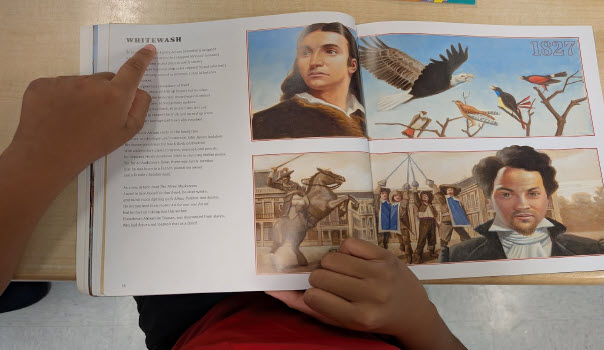
- Activities: Map Latin American countries, define vocabulary (immigrant, diaspora, whitewashed), and sequence timelines to calculate periods of slavery.
- SEL: Journals reflecting on identity and cultural roots.
Visual Ideas: Interactive maps with student-annotated flags; color-coded timelines of slavery across Latin America.

Week 2 – Historical Figures and Critical Thinking
- Focus: Exploring leadership, resistance, and historical impact.
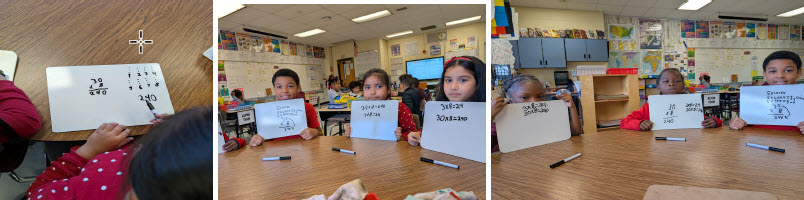
- Activities: Close reads on Frederick Douglass, Phillis Wheatley, and Toussaint Louverture. Analyze photography, population data, and geographic distances.
Critical Thinking: Examine whitewashing in history and strategies of resistance.
Week 3 – Schomburg, Legacy, and Creative Celebration
- Focus: Synthesizing knowledge, creating projects, and sharing learning.
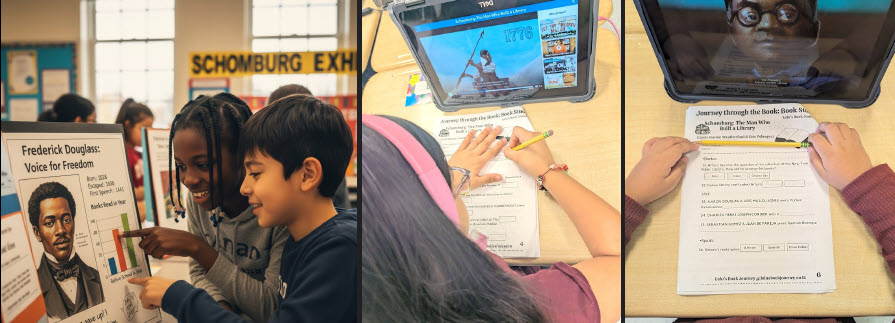
- Activities: Students design heritage libraries inspired by Schomburg, explore the Harlem Renaissance, and collaboratively create SEL murals celebrating Afro-Latino culture.
Learning Outcomes & Teacher Guidance
This unit fosters deep, holistic student growth through Gholdy Muhammad’s Five Pursuits:
- Identity: Exploring personal and cultural heritage.
- Skills: Research, writing, data analysis, and communication.
Intellect: Reasoning about historical context, patterns, and cause-and-effect.
- Criticality: Examining systems of oppression and strategies for resistance.
- Joy: Celebrating culture through art, music, and storytelling.
Aligned with NJEA Consortium UBD Transfer Goals, students learn to:
- Analyze African diaspora connections across the Americas.
- Advocate for equity through historical understanding.
- Communicate heritage and historical findings effectively.
Student Leadership and Engagement
Students documented Afro-Latino histories from Vicente Guerrero in Mexico to King Julio Pinedo in Bolivia and Scharllette Alexandra Allen Moses in Nicaragua. Through research, graphing, and reflection, students became historians of their own communities, connecting past and present.
Conclusion
This three-week journey demonstrates how sustained, interdisciplinary learning transforms Hispanic Heritage Month into an empowering experience. By combining literature, research, math, SEL, and creative expression, teachers help students not only learn history—but live it, celebrate it, and share it with their communities. “When students see themselves in history, they are empowered to shape the future.”